Showing posts with label B. Show all posts

Wednesday, September 25, 2013

Bob Patterson - Bob Patterson (us 1970)

Bob Patterson [70's] - Bob Patterson (us 1970)

Label: Riverman Music ?– BTR0041
Format: CD, Reissue
Genre: Folk, World, & Country

Tracklist:
01. Travelin’ Through The Countryside     4:54    
02. Meadowlands (Instrumental)     2:38    
03. Darlin’ Good Girl     2:45    
04. Here’s To Huddie (Instrumental)     1:19    
05. I Am Abandoned     4:30    
06. I’m Going Home     3:33    
07. Bed Of Roses     3:34    
08. Mick’s Celebration (Instrumental)     1:50    
09. Lonesome City     3:00    
10. The Aalarm Rings Five     4:18    
11. Trippin’ To Boston (Instrumental)     2:14    
12. Friends Of Mine     3:04    
13. Mississippi In The Morning (From The Album ‘Land Of The Twelve String Songman’) 4:04    
14. Mary Ann (From The Album ‘Short Stories’)     2:57    

Companies etc:
Distributed By – Bella Terra Records
Marketed By – Bella Terra Records

Credits:
Producer – Bob Patterson (2)
Written-By – Bob Patterson (2)

Notes:
Originally released in 1971 (pressed privately). 24-bit digitally remastered by Jae-Soo Yi. With paper sleeve, liner notes & photos. First-ever Reissue. Limited Edition.

On the inlay:
"This Re-issue [2009 Riverman Music] made under exclusive license from Bob Patterson. Marketed & Distributed by Bella Terra Records. All Rights Reserved. Made in Korea."

Track times don't appear on release (manually clocked).
Track 13 & 14 are bonus tracks.
 ~ http://www.discogs.com/Bob-Patterson-Instrumentalist-Singer-Songwriter/release/3992905
---------------------------------------------------------------------
Review:
Excellent private press folk LP assembled by the former leader of Elizabeth (Vanguard label psych band) and some friends in a Philadelphia studio (I wonder if he knew Perry Leopold?). This is the original demo version of the LP, issued in a plain cover that Bob autographed in the upper left corner. It was apparently reissued a year or so later with a proper printed cover. Most of the tracks have multiple layered guitars, and eight of the twelve songs have vocals. My pick is the doomy "Darlin' Good Girl" which sounds like the Richard Farina classic "The Bold Marauder" to my ears. A killer little-known gem, if you collect private folk LPs from this era you'll be hard-pressed to top this one for quality and obscurity. I'm sure this demo version is as rare as Leopold's Experiment In Metaphysics LP!
 ~ http://www.popsike.com/BOB-PATTERSON-1970-PRIVATE-FOLK-PSYCH-LP-ELIZABETH/220311872539.html

Download Link:
Bob Patterson - Bob Patterson (us 1970).rar
---------------------------------------------------------------------

Wednesday, February 23, 2011

Bridge - Bridge (Can 1971)

Bridge [CAN] - Bridge (1971)

Members:
* Francis Webster (Guitar),
* John Webster (bass),
* Tony Lecallion (drums).

Tracks:
01. I had It But I Lost It (Sing-a-long) 2:33
02. It’s My Life (Slow Groove Rock) 3:07
03. Ain’t My Day (Country) 3:18
04. Simple Blues Form (Happy Blues) 3:18
05. Running Away (Country) 2:28
06. Brand New Day (Jazz Shuffle) 4:48
07. You’re My Girl (Ego Trip) 9:45
08. Born To The Country (Country) 4:12
09. Barnyard (Blues Shuffle Inst.) 3:56

Bridge answer the question, for anyone who wishes to know, what happened to the Canadian band David after their lone record on Sound Canada in the late 60s.
Guitarist Francis Webster, bassist John Webster, and drummer Tony Lecallion from David make up Bridge who recorded this ultra obscure and rare record at the same Sound Canada studios in 1971.
Next to each song is a brief description of the musical genre of each ranging from "Ego Trip" to "Country" to "jazz shuffle." What this album is differs drastically from what you'd expect from David.
The best way to describe Bridge's album would be "Sweetheart Of The Rodeo" on tons of acid!
There is no fuzz guitar, but a clean westcoast shimmering tone on all tracks, bizarre vocal effects on the tripped out "It's My Life" and plenty of weirdness present for the whole album.
The tracks that are labeled "Country" all have a strange bent to them despite being early back-to-the-roots country rock influenced by Graham Parsons and "real" country artists like Hank Williams. The long "Ego Trip" version of Little Richard's "You're My Girl" is great fun and the only good version I've heard of one of his songs. There is something here very enjoyable for anyone looking for a bizarre twisted record of fun music, especially "Brand New Day" with echoes of Spirit and a bit of Freeborne. Very rare and a good one.
 ~ Ben Blake Mitchner (Acid Archives).

It's pretty nice rare album released on Vintage Records and re-released by Erebus Records on cd.

Download Links:
Normal version :
Shorter version (You can share this on Twitter or other similar sites) :

...and also...

http://www.multiupload.com/AUYRSTKAMO
Bridge - Bridge (Can 1971).rar (78.88 MB)
----------------------------------------------------------------------------------

Sunday, July 11, 2010

The Blue Effect - Kingdom 0f Life (Czechoslovakia 1971)

The Blue Effect - Kingdom of Life (Czechoslovakia 1971)

Formed: October 1968, Praha, Czech Republic.

Members:
* Radim Hladík (guitar),
* Vladimír Mišík (vocals: A2, B1 to B5, flute),
* Miloš Svoboda (guitar, 1968-69),
* Jiří Kozel (bass),
* Vlado Čech (drums),
* Lešek Semelka (keyboards, vocals: A1, A3, A4).

Related Artists:
Bohemia, Collegium Musicum, Dagmar Andrtová & Radim Hladík, Pavol Hammel & Radim Hladík, Luboš Pospíšil & 5P, Matadors, New Force, The Blue Effect & The Jazz Q Prague.

Also Known As:
Modrý Efekt, Special Blue Effect, M. Efekt, Modrý Efekt & Radim Hladík.

Genres:
Blues Rock, Psychedelic Rock, Prog Rock.

Credits:
* Artwork By: [Cover Design] - Ladislav Provazník.
* Engineer: [Sound, Cut] - Petr Kocfelda , Petr Čada , Václav Heblík.
* Liner Notes: [Sleeve Notes] - Jiří Černý.
* Photography: [Cover Photo] - Dušan Šimánek.
* Producer, Recording Supervisor: [Musical Direction] - Michael Prostějovský.

Notes:
Recorded at Supraphon Studios 1969 (side two) 1970 (side one) Artia Prague.

Tracklist:
A1. Kingdom Of Life 4:35 (Written By: J. Hutka, K. Kozel, R. Hladík), (Read By: [Recited By] - Jaroslav Čmehil).
A2. White Hair 4:10 (Written By: J. Smetana, V. Mišík).
A3. You'll Stay With Me 4:35 (Written By: K. Kozel, R. Hladík).
A4. Brother's Song 2:30 (Written By: K. Kozel, R. Hladík).
A5. Sunny Grave 1:55 (Written By: V. Mišík).
B1. Little Girl 3:55 (Written By: J. Kozel, R. Hladík, V. Mišík, V. Čech).
B2. Deserted Alley 3:15 (Written By: K. Kozel, V. Mišík).
B3. Blues About Stone 8:10 (Written By: J. Kozel, R. Hladík, V. Mišík, V. Čech).
B4. Rainy Day 4:00 (Written By: J. Kozel, K. Kozel, R. Hladík).
B5. Where Is My Star 3:30 (Written By: J. Smetana, R. Hladík).

Biography:
Best known for their Yes-like prog work in the '70s, the Czech Republic's Blue Effect were formed in the late '60s, when that nation was still tied politically and geographically to its Slovak neighbor during the Cold War. Led by the renowned guitarist Radim Hladik, Blue Effect first came to prominence as an R&B-influenced rock act with their first two albums, 1969's Meditace and 1970's Coniunctio. It was at this point that the Soviet-backed government stepped in and forced the band to alter its name to reflect a more "Czecho-Slovak" heritage. Now dubbed Modry Efekt (and, at times, M Efekt), the band began to venture into the more progressive rock elements that would define — for many — the true identity of the group. By 1975, the sounds of British prog had taken full root in the sound of the band, in addition to solidifying Hladik as one of his country's top rock guitar virtuosos. The prog — and the continued growth of Hladik's skill — progressed on two follow-up full-lengths, 1977's Svitanie and 1979's Svet Hledacu, but the band had seemingly fully exhausted itself with regard to the sound that had won it so many converts. Proof of this new direction was to be found in the much more middle-of-the-road effort of 1981, 33, which was also notable as being the last release from the band. While the band quietly folded, Hladik continued to hone his skill and ply his trade. In 2004, with the release of a Blue Effect best-of compilation entitled Beatová Sín Slávy, the band — now fully under Hladik's leadership — began to hit stages in the Czech Republic. A live effort, Blue Effect: Live, was also released around the same time, and was a Top Five chart hit.
~ by Chris True (allmusic.com).

Download Links:
http://www.mirrorcreator.com/files/17FMXRTG/Blue_Effect_-_Kingdom_0f_Life__Czechoslovakia_1971_.rar_links
Shorter version:
http://mir.cr/17FMXRTG

...and also...

http://www.multiupload.com/BPOA44GS2J
Blue Effect - Kingdom 0f Life (Czechoslovakia 1971).rar (92.28 MB)
----------------------------------------------------------------------------------

Tuesday, June 22, 2010

Sandy Bull - E Pluribus Unum (us 1968)

Sandy Bull - E Pluribus Unum (us 1968)

Born: 1941, New York, NY, United States
Died: April 11, 2001 // Franklin, TN, United States

Genres: Contemporary Folk

Credits:Guitar [Electric], Bass, Bass Drum, Bass Drum [Indian Bass Drum], Oud, Tambourine, Cymbal, Cowbell, Written-by: Sandy Bull.

Other: [Liner Notes] - Nat Hentoff.
Producer: Maynard Soloman.

Tracks:
A. No Deposit, No Return Blues 17:03
B. Electric Blend 21:44

Biography:
Born in New York, Sandy Bull spent the early part of his childhood in Florida with his father before returning to New York to live with his mother, the jazz harpist Daphne Hellman. His mother's eclectic taste exposed him to a wide variety of music that eventually led to him learning the guitar and banjo, the latter from Eric Darling, who was in The Weavers. After a brief stint at college in Boston, Bull returned to New York and became involved with the Greenwich Village scene. But it was in Paris where he had his first experience of Middle-Eastern music and oud-like instruments. Having learnt to play the oud from Hamza El Din, Bull returned to the United States, signing with the folk-label Vanguard.
For his first album, Fantasias for Guitar & Banjo, Bull would take various pieces of American folk, country, blues, jazz and pop and mix them up with Eastern and western classical music. His follow-up album, Inventions, took things further and included a remarkable cover of Chuck Berry's "Memphis". On both recordings, Bull would either play alone or to the accompaniment of jazz drummer Billy Higgins, best known for his work with Ornette Coleman. His ability in blending so many different styles of music was matched only by those of artists such as Davy Graham and John Fahey and his albums would provide a foretaste of the world music that would follow. The third record for Vanguard, E Pluribus Unum, would be comprised of just two tracks, one on each side. Despite his drug problems, Bull managed to record a final album for Vanguard, Demolition Derby, and in 1975 he was offered a guest spot on Bob Dylan's Rolling Thunder tour.
No more albums appeared until the ROM release Jukebox School of Music in 1988, which introduced the piano to the list of instruments that Bull played. This album also marked the return of Billy Higgins on "Truth". Vehicle followed in 1991. After Vehicle, which featured Aiyb Dieng, he moved to the Nashville, TN and started his Timeless Recording Society, which released Steel Tears in 1996, earning him a nomination for Best Folk album at the Nashville Music Awards.
After suffering from lung cancer for a number of years, Bull died at his home, just outside Nashville, on April 11, 2001.
~ RYM.
----------------------------------------------------------------------------------
Sandy Bull (January 1, 1941 – April 11, 2001) was an American folk musician who was active from the late 1950s until his death.
Born in New York City, he was the only child of Harry A. Bull, an editor in chief of Town & Country magazine, and Daphne van Beuren Bayne (1916-2002), a New Jersey banking heiress who became known as a jazz harpist under the name Daphne Hellman. His parents were divorced in 1941, shortly after his birth.
Sandy Bull was a composer and accomplished player of many stringed instruments, including guitar, pedal-steel, banjo and the middle-eastern oud. His music and recordings are characterized by his blending of non-western instrumentation and improvisational traditions with the 1960?s folk revival. His albums for Vanguard Records often combined extended modal improvisations on oud with an eclectic repertoire of instrumental cover material. Bull is well known for his arrangement of Carl Orff’s composition Carmina Burana for 5 string banjo on his first album, which was included on an album of R.E.M.’s favourite songs. Other such musical fusions include his adaptation of Luiz Bonfa’s “Manha de Carnaval,” and compositions derived from J.S. Bach themes.
Sandy Bull’s approach to performance, composition and recording is notable for his extensive use of overdubbing and multi-track tape recording before such techniques became commonplace in music production. However, unlike the sophisticated, glossy aesthetic commonly associated with these techniques, Bull simply used overdubbing as a way to accompany himself and play all the instruments on many of his recordings. As documented in the “Still Valentine’s Day 1969 concert recording, Sandy Bull’s use of tape accompaniment was part of his live, solo performances as well. Bull also played the oud on Sam Phillips 1991 album, Cruel Inventions. Bull primary played a fingerpicking style of guitar and banjo and his style has been compared to that of John Fahey and Robbie Basho of the early Takoma label in the 1960s.
By his mother’s second marriage to The New Yorker writer Geoffrey Hellman, Bull had one half-sister, the sitar player Daisy Paradis; and a half-brother, Digger St. John.
Sandy Bull struggled with a drug problem for many years which seriously affected his performing. After completing a rehabilitation program in 1974, he began performing again. Bull died of lung cancer on April 11, 2001 at his home near Nashville, Tennessee.
~ Internet Source.

Download Links:
http://www.mirrorcreator.com/files/YAMYC80I/Sandy_Bull_-_E_Pluribus_Unum__us_1968_.rar_links

...and also...

http://www.multiupload.com/DDL1I7K3BI
Sandy Bull - E Pluribus Unum (us 1968).rar (77.42 MB)
----------------------------------------------------------------------------------

Wednesday, May 26, 2010

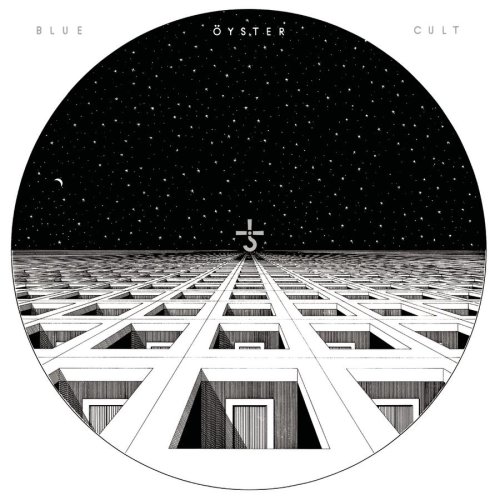
Blue Öyster Cult - Blue Öyster Cult (us 1972)

Blue Öyster Cult - Blue Öyster Cult (us 1972)

Formed: 1967, Stony Brook, Long Island, NY, United States

Members:
*Eric Bloom (vocals, guitar),
*Donald "Buck Dharma" Roeser (lead guitar, vocals),
*Allen Lanier (rhythm guitar, keyboards, bass),
*Albert Bouchard (drums, guitar, vocals, 1967-81),
*Joe Bouchard (bass, vocals, 1970-86),
*Rick Downey (drums, 1973-85),
*Les Bronstein (vocals),
*John Wiesenthal (keyboards),
*Andy Winters (bass),
*Tommy Price (drums).

Also Known As: Soft White Underbelly, B.O.C.

Genres: Hard Rock, Rock

Tracks:
01. Transmaniacon MC 3:20
02. I'm on the Lamb but I Ain't No Sheep 3:09
03.Then Came the Last Days of May 3:29
04. Stairway to the Stars 3:42
05. Before the Kiss, a Redcap 4:57
06. Screams 3:09
07. She's as Beautiful as a Foot 2:56
08. Cities on Flame With Rock and Roll 4:04
09. Workshop of the Telescopes 3:50
10. Redeemed 4:01

Two years before Kiss roared out of Long Island with its self-titled debut, Blue Öyster Cult, the latest incarnation of a band assembled by guitarist Donald "Buck Dharma" Roeser and drummer Albert Bouchard in 1967, issued its dark, eponymously-titled heavy rock monolith. Managed and produced by the astronomically minded and conspiratorially haunted Sandy Pearlman, BOC rode the hot, hellbound rails of blistering hard rock as pioneered by Steppenwolf, fierce mutated biker blues, and a kind of dark psychedelia that could have only come out New York. The band's debut relied heavily on the lyrics of Pearlman and rock critic Richard Meltzer, as well as Pearlman's pioneering production that layered guitars in staggered sheets of sound over a muddy mix that kept Eric Bloom's delivery in the middle of the mix and made it tough to decipher. This was on purpose -- to draw the listener into the songs cryptically and ambiguously. From the opener, "Transmaniacon MC," the listener knew something very different was afoot. This is dark, amphetamine-fueled occult music that relied on not one, but three guitars -- Bloom and keyboardist Allen Lanier added their own parts to Roeser's incessant riffing: a barely audible upright piano keeping the changes rooted in early rock and the blues, and a rhythm attack by Bouchard and his brother Joe on bass that was barely contained inside the tune's time signature. From the next track on "I'm on the Lamb But I Ain't No Sheep," elliptical lyrics talked about "the red and the black," while darkening themselves with stunning riffs and crescendos that were as theatrical as they were musical, and insured the Cult notice among the other acts bursting out of the seams of post-'60's rock. Other standouts include the cosmic "Stairway to the Stars," the boogie rave-up "Before the Kiss, a Redcap," that sounded like a mutant Savoy Brown meeting Canned Heat at Altamont. But it is on "Cities on Flame With Rock & Roll," that the Cult's sinister plan for world domination is best displayed. From its knotty, overdriven riff to its rhythm guitar vamp, Vox organ shimmer, its crash cymbal ride and plodding bass and drum slog through the changes -- not to mention its title -- it is the ultimate in early metal anthems. Add to this the swirling quizzicality of "Workshop of the Telescopes" that lent the band some of its image cred. [The 2001 remastered edition by Legacy gives punters four bonus tracks in the form of demos recorded by the band's first incarnation as Soft White Underbelly. These are not merely throwaways: it is readily apparent that by 1969, BOC was well on their way to creating something new and menacingly different. The only questionable item is the last track: a cover version of Bobby Freeman's "Betty Lou's Got a New Pair of Shoes," that is utterly devoid of interest.]
~ by: Thom Jurek, All Music Guide.
----------------------------------------------------------------------------------
They saw themselves as the American Black Sabbath, made it cool to have a hit single all about death, and can probably trace their commercial decline in the UK to a broken mirror. Yep, it’s been a convoluted path for Blue Oyster Cult, easily one of the most fascinating and intelligent metal bands ever. And one that may have started out as a psychedelically inspired heavy rock crew, but subsequently paid homage to pomp and AOR. In the process they’ve worked with mysterious guru/producer Sandy Pearlman and SF sage Michael Moorcock. Moreover, the lyrics from their most famous song, (Don’t Fear) The Reaper, were quoted in the Stephen King novel The Stand, while Metallica covered Astronomy, another BOC classic.
The band started out in Long Island during the late 1960s, originally called Soft White Underbelly (the name inspired by a Winston Churchill speech), before changing to the Stalk Forrest Group, and by 1970 finally becoming the Blue Oyster Cult. The name has several possible origins, the most exotic being that it came from Pearlman’s term for a secret, fictional collective of aliens who guide the Earth’s destiny.
The classic Blue Öyster Cult line-up – vocalist/guitarist Eric Bloom, guitarist Donald ‘Buck Dharma’ Roeser, keyboard player/guitarist Allen Lanier, bassist Joe Bouchard and drummer Albert Bouchard – recorded a string of big-selling albums between 1970 and ’81.
Just before BOC’s appearance at the Monsters Of Rock in 1981 the drumming Bouchard brother quit, leaving the rest of the band to scramble through a disjointed set at Donington with drum roadie Rick Downey filling in. Infamously, Bloom publicly jumped up and down on the commemorative plaque given to the band that day, and in many respects that metaphorically signaled a downturn in the band’s fortunes fromwhich they’ve never recovered.
During the past 25 years BOC have soldiered on in various guises, occasionally hinting at past glories but rarely threatening a return to those peaks of old. Yet such is the potency of their first decade or so together that they still remain a major influence on the metal scene; there’s little doubt that, at their best, Blue Öyster Cult were among the metal elite. Indeed such is their importance to generations of Americans that they were affectionately parodied in a Saturday Night Live sketch in 2000. And let’s not forget that BOC use the alchemical symbol for lead in their logo – now that’s heavy metal!
~ by: Malcolm Dome.
----------------------------------------------------------------------------------

"Then Came The Last Days Of May"
Parched land no desert sand, sun was just a dot
And a little bit of water goes a long way, 'cause it's hot
Three good buddies were laughing and smoking in the back
Of a rented ford
They couldn't know they weren't going far

Each one with the money in his pocket
Could go out and buy himself a brand new car
But they all had the money they had
Money they hoped would take them very far

The sky was bright, a traffic light, now and then a truck
And they hadn't seen a cop around all day
They brought everything they needed
bags and scales to weigh the stuff
The driver said the border's just over the bluff

It wasn't until the car suddenly stopped
In the middle of a cold and barren place
And the other guy turned and spilled
Three boys blood, did they know a trap had been lain?

They're ok the last days of may, I'll be breathing dry air
I'm leaving soon, the others are already there
You wouldn't be interested in coming along, instead of staying here
They say the west is nice this time of year.

Download Links:
http://www.mirrorcreator.com/files/0JCXB2DV/Blue_Oyster_Cult_-_Blue_Oyster_Cult__us_1972_.rar_links

...and also...

http://www.multiupload.com/6C3BNI78WI
Blue Oyster Cult - Blue Oyster Cult (us 1972).rar (50.39 MB)
----------------------------------------------------------------------------------

Monday, May 3, 2010

Burnin' Red Ivanhoe - W.W.W. (Den 1971)

Burnin Red Ivanhoe - W.W.W. (Den 1971, prog rock)

Formed: 1967, København, Denmark

Members:
* Karsten Vogel (saxophone, cello, organ),
* Steen Claësson (vocals, guitar),
* Kim Menzer (flute, violin, trombone, harmonica),
* Ole Fick (guitars, vocals),
* Jess Stæhr (bass),
* Bo Thrige Andersen (drums)

Related Artists:
The Baronets, Dårskabens Hus, Day of Phoenix, Maniacs, Secret Oyster

Also Known As: M/S Mitte - The Burnin’ Red Ivanhoes

Genres: Progressive Rock

Discography:
01. M144 (2LP) - 1969 Sonet
02. Burnin' Red Ivanhoe - 1970 Sonet
03. W.W.W. - 1971 Sonet
04. Miley Smile/Stage Recall - 1972 Sonet
05. Right On - 1974 Sonet
06. Burnin' Live (MC) - 1974 Instant Sound
07. Shorts - 1980 Pick Up Pulp
08. Spotlight Burnin' Red Ivanhoe 1969-74 (CD) - 1990 Sonet Spotlight, compilation
09. Lack Of Light - 1998 Polygram
10. Povl Dissing with Burnin' Red Ivanhoe: 6 Elefantskovcikadeviser - 1971 Sonet

Tracks:
01. 2nd Floor, Croydon 8:37
02. W.W.W. 6:07
03. Avez-Vous Kaskelainen? 4:47
04. Kaske-Vous Karsemose 3:49
05. All About All 4:08
06. Oblong Serenade 6:25
07. Cucumber-Porcupine 5:21

Reviews:
One of the biggest names of Scandinavian progressive groups that became well-known worldwide. Their music can be described as progressive jazz-rock under influences of beat, R&B, psychedelia... The compositions present often improvisational long passages with Karsten Vogel's (soprano sax, alto sax) musical visions.
They started in 1967 but the first album appeared two years later. It was double LP M144. By many considered their best. The comparison to The Who is especially clear in this early period. Most of the compositions have lyrics in native language but this changed with the following records where dominating language was English. The second, self-titled album presents the same style and similar record structure: after dynamic opening Across The Windowsill (on M144 it is famous Ivanhoe I Brøndbyerne) compositions of various style and atmosphere come: R&B Rotating Irons, dynamic blues-rock Gong-Gong, The Elephant Song, the ballad Near The Sea, etc. The last track is titled Secret Oyster Service - does it remind you of something? The third album WWW is probably their most progressive work. The music is more placid without crazy sax solos and R&B tracks; also over 8-minutes excellent 2nd Floor, Croydon has more progressive character. In the same year the band recorded LP with Danish folk singer Povl Dissing. Although the compositions are more folk oriented and all lyrics are in Danish there are some moments, especially over 10-minutes Tingel-Tangelmanden that could be interesting for progressive rock fans.
The group split in 1972 but before it happened they recorded one more album - it was "live in studio" Miley Smile/Stage Recall. Surprisingly, it contains only three old compositions: Ivanhoe I Brøndbyerne, Rotating Irons and Indre Landskab (however in different versions). The rest presents fresh material like rousing The Monster Song, funny cover version of the old standard Red River Rock or the longest and the most typical for the group, jazzy Bareback Rider. The album ends with R&B Goodbye, which is the musicians' farewell. All in all, Miley Smile/Stage Recall is another excellent position in group discography.
In fact, two years later one more album appeared signed as Burnin' Red Ivanhoe. Its story is pretty interesting. Vogel was a member of Secret Oyster at that time. He found (Ref. 2) that he collected some compositions that were not appropriate for experimental style of this group and decided to release the new album under old band name. Right On appeared in 1974 and is another "mandatory" item for BRI fans (unfortunately, this album is extremely difficult to find and very expensive). As for the members, there were former musicians of BRI: Vogel, Andersen, Fick, Secret Oyster: Knudsen and Day Of Phoenix: Karsten Lyng (vocal), so the band name on the album was used rather for formality. This record has rare moments when you hear the echoes of Burnin' Red Ivanhoe (mainly instrumental parts with sax solos) but more often of Day Of Phoenix' first album. The opening track reminds of Uriah Heep very much! In 1980 the group in old good line-up released Shorts, containing pop-rock compositions, quite enjoyable but it is a different story. Burning Red Ivanhoe was one of the most important and typical Danish rock representatives of that time. Fortunately, its rich discography is the evidence of wonderful musicians' output.
~ Internet Source.
----------------------------------------------------------------------------------
Eerily prescient title aside, this third album from Burnin Red Ivanhoe (an outfit that preceded the formation of NWW list artists Secret Oyster) is operating at a real throat-lump-inducing peak of acidy jazz rock genius on this one. Karsten Vogel's plangently beautiful curlicues of alto sax salaciously wooze about in a manner that only Lol Coxhill's work with the Kevin Ayers And The Whole World band seems comparable to. Much like that album, WWW is suffused with an atmosphere that alternates passages of languorous beauty with runs of wild carnival-esque abandon, particularly on the album's latter half, whose atmosphere is so buttery warm and rich with "knowing" druggy vibes, you'd only wish that music could be absorbed through your pores.
~ Internet Source.
----------------------------------------------------------------------------------
These guys sound evokes so many contemporary bands and styles, that at the risk of not doing justice to their true value I have at least to point out that the end result of all that mix is a very original album; Echoes of Donovan’s vocal psych inflexions on the intro verses of track 1 give way to Eric Burdon’s style soul leaning expression, and the groove of the band as something of a R&B vibe akin to The Animals while the flute reminds Chris Wood; early Traffic also comes to mind on “All about all” (only with better sax work); There’s also 6 minutes of atmospheric psychedelic sound sculpting with early Floyd echoes, in “W.W.W.” – surely not a premonition to the state of mind one has today while surfing the web – that subtly transmutes and gains strength as a free Hawkwind-ish (who didn’t exist at the time) sound scape supported by a powerful rocking rhythm section (without synths, saxes, organ and bottleneck slide are the main tone generators); Even more interestingly is when BRI uses those psychedelic tapestries mixed with Canterbury styled jazz, saxes in true Soft Machine tradition while the organ only differs in that it’s not fuzzed (e.g. “Kaske-vous Karse Mose”) or with horns arrangements (trombone and sax) with Zappa influences and suitable vocal harmonies, followed by a jazz-rock groove powered by a lively swinging bass and drums engine (“Oblong Serenade”); There’s some early East of Eden reminiscences on the last track, whose line of psych vocals with happy feel are repeated over and over to a fading end; it’s this tendency to over stretch banal chord progressions, sometimes without finding interesting solutions to keep them fresh, that IMHO is this album major flaw.
~ by comusduke (RYM).

Download Links:
http://www.mirrorcreator.com/files/JRTQFWBE/Burnin__Red_Ivanhoe_-_W.W.W.__Den_1971__prog_rock_.rar_links

...and also...

http://www.multiupload.com/GPLKXIUQMQ
Burnin Red Ivanhoe - W.W.W. (Den 1971, prog rock).rar (73.63 MB)
----------------------------------------------------------------------------------

Saturday, May 1, 2010

Burnin Red Ivanhoe - Burnin Red Ivanhoe (Den 1970)

Burnin Red Ivanhoe - Burnin Red Ivanhoe (Den 1970, prog rock)

Formed: 1967, København, Denmark

Members:
* Karsten Vogel (saxophone, cello, organ),
* Steen Claësson (vocals, guitar),
* Kim Menzer (flute, violin, trombone, harmonica),
* Ole Fick (guitars, vocals),
* Jess Stæhr (bass),
* Bo Thrige Andersen (drums)

Related Artists:
The Baronets, Dårskabens Hus, Day of Phoenix, Maniacs, Secret Oyster

Also Known As: M/S Mitte - The Burnin’ Red Ivanhoes

Genres: Progressive Rock

Tracks:
A1. Across the Windowsill
A2. Canaltrip
A3. Rotating Irons
B1. Gong-Gong, the Elephant Song
B2. Near the Sea
B3. Secret Oyster Service

Discography:
01. M144 (2LP) - 1969 Sonet.
02. Burnin' Red Ivanhoe - 1970 Sonet.
03. W.W.W. - 1971 Sonet.
04. Miley Smile/Stage Recall - 1972 Sonet.
05. Right On - 1974 Sonet.
06. Burnin' Live (MC) - 1974 Instant Sound.
07. Shorts - 1980 Pick Up Pulp.
08. Spotlight Burnin' Red Ivanhoe 1969-74 (CD) - 1990 Sonet Spotlight, compilation.
09. Lack Of Light - 1998 Polygram.
10. Povl Dissing with Burnin' Red Ivanhoe: 6 Elefantskovcikadeviser - 1971 Sonet.

BRI’s second release certainly should be considered as one of the top albums from 1970 and one of the best ones in proto prog generally. They recorded this disc in London and thus have been of the first Danish bands who managed to publish something in Prog’s home country. Songs on here are showing basically a nice almost Canterburian kind of looseness combined with a distinct bluesrock orientation. At times the atmosphere brings Caravan to one’s mind though BRI are having here with Karsten Vogel and Kim Menzer two musicians playing brass and wind instruments (sax, flute, trombone and mouthorgan). First side of the original vinyl is offering with "Across The Windowsill" a quite breezy piece dominated by sax and organ with bluesy vocals that remind to Van Morrison. "Canaltrip" basically consists of an extended rather soft sax solo accompanied by percussion and acoustic guitar. "Rotating Irons" is more a sluggish bluesrock track dominated by electric guitar and backed up by organ and great mouthorgan play. To me it sounds a bit like a variation of “Season Of The Witch” by The Zombies but I might be wrong. Second side starts with the all instrumental jazz rock track "Gong Gong, The Elephant Song" with alternating solos by trombone, sax and mouthorgan. "Near The Sea" is a ballad with great flute play and the final "Secret Oyster Service", obviously a sort of tribute to their country fellowmen is an excellent jazz rock one with dual saxophone coming close to free-form jazz at times. This one is without any doubts the highlight on here. BRI’s second album is certainly their best and most coherent one offering an awesome blend of blues and jazz rock. Highly recommended to any fan of early 70’s Prog!
~ by hdfisch (RYM).
----------------------------------------------------------------------------------
Scandinavia has produced its fair share of obscure rock acts through the years but none more so than during the heady times of the late sixties and early seventies. Denmark itself has given up a healthy dose of psyche acts though many, if not all, remain hidden and the focus only of an elite set of rabid collectors. The one act that do spring to mind with a relatively wide appeal, if still muted, are Savage Rose. Burnin' Red Ivanhoe merge psyche with a progressive mindset with more than a hint of folk in their music, sometimes straight sometimes really strange and self indulgent but tinged with a dark humour as they converse in both their native Danish tongue and in English. The electric eclectic baroque tinted "Across The Windowsill" starts the album on a mature purposeful note, some fine vocal and fantastic guitar courtesy of Ole Fick, my personal favorite is the jaunty saxophone (played by future Secret Oyster member Karsten Vogel) led "Canaltrip" with a neat rolling percussive beat. "Secret Oyster Service" is some half concocted avant garde jazz rock which rambles in and out and on aimlessly before finally getting some where on the five minute mark, but to be fair to the band they could pull off some good improvisation and experiment with many styles, "Showintroucion" and its twin "Showafsluthing" are simply weird while "Mitte" is a good laid back tune with that zany trait of much of the Burnin' Red Ivanhoe's music, and mainly in the vocal department. All in all an interesting and eye opening album and a telling piece of classic Danish folk psyche and much more.
~ by jonnydeluxe (RYM).

Download Links:
https://rapidshare.com/files/1058942993/Burnin_Red_Ivanhoe_-_Burnin_Red_Ivanhoe__Den_1970__prog_rock_.rar

...and also...

http://www.mirrorcreator.com/files/B40NLHXH/Burnin_Red_Ivanhoe_-_Burnin_Red_Ivanhoe__Den_1970__prog_rock_.rar_links

...and also...

http://www.multiupload.com/E4XSKJY54E
Burnin Red Ivanhoe - Burnin Red Ivanhoe (Den 1970, prog rock).rar (61.26 MB)
----------------------------------------------------------------------------------
Friday, April 30, 2010

Butch Engle & The Styx - No Matter What You Say (us 1966-67, compilation)

Butch Engle & The Styx - No Matter What You Say (us 1966-67, flower psychedelia)

Tracklist:
01. Hey, I'm Lost [#] Durand, Elliott 2:34 Composed by: Durand, Elliott
02. Left Hand Girl [#] Elliott 2:28 Composed by: Elliott
03. No Matter What You Say [#] Elliott, Engle 2:47 Composed by: Elliott, Engle
04. Smile, Smile, Smile [#] Bettiga, Elliott 1:54 Composed by: Bettiga, Elliott
05. I'm a Fool [#] Elliott 2:37 Composed by: Elliott
06. I Call Her Name [#] Elliott 2:45 Composed by: Elliott
07. She Is Love [#] Eliott 2:16 Composed by: Eliott
08. If You Believe [#] Elliott 2:27 Composed by: Elliott
09. Smile, Smile, Smile [#] Bettiga, Elliott 1:54 Composed by: Bettiga, Elliott
10. Going Home Elliott 2:08 Composed by: Elliott
11. I Like Her Elliott 1:58 Composed by: Elliott
12. Hey, I'm Lost [First Version] Durand, Elliott 2:32 Composed by: Durand, Elliott
13. Puppetmaster Durand, Elliott 3:49 Composed by: Durand, Elliott
14. She Is Love [#/demo version] Elliott 1:50 Composed by: Elliott
15. Tell Me Please Engle, Zamora 2:07 Composed by: Engle, Zamora
16. You Know All I Want Zamora 1:57 Composed by: Zamora
17. Hey, I'm Lost [#/demo version] Durand], Elliott 5:05

Biography:
Butch Engle & the Styx were a very minor mid-'60s San Francisco Bay Area band that issued just three singles (the first, in 1964, under the name the Showmen). They played moody garage-folk-rock with a similarity to the Beau Brummels that was not coincidence: all of their material, except for the Showmen single, was written or co-written by Ron Elliott of the Beau Brummels. The Beau Brummels were a fine group, and Elliott was an excellent songwriter. But the compositions Butch Engle & the Styx were granted access to were weak by Elliott's own high standards and in fact were basically leftovers that were not deemed strong enough for the Beau Brummels to record. As Engle himself recalled in the liner notes to The Best of Butch Engle & the Styx: No Matter What You Say, "Ron, Sly Stewart, [and Autumn record executives] Tom Donahue and Bobby Mitchell would choose which songs would go on [a Beau Brummels] album, and then we could take what we wanted from whatever was left."
Butch Engle & the Styx released just two singles under that name and broke up in 1968. Both sides of those two singles, along with both sides of the Showmen single and almost a dozen previously unissued cuts, were issued by Sundazed on The Best of Butch Engle & the Styx: No Matter What You Say in 2000.
~ by Richie Unterberger (allmusic.com).
----------------------------------------------------------------------------------
Reviews:
This has a pretty funny title, considering that the group only put out three singles (one of them under a different name) and never had anything close to a hit. A better title might have been "The Entirety of Butch Engle & the Styx," since it's difficult to imagine that any more material could have been retrieved than appears on this CD. In addition to both sides of the three singles (the first done in 1964 when they were still called the Showmen), this also includes 11 previously unreleased tracks, including some alternatives and multiples. The unwary might initially dismiss this as a subpar, more garagey Beau Brummels, a comparison that becomes even more valid upon the discovery that Beau Brummels songwriter Ron Elliott wrote or co-wrote everything except the Showmen single. To be brutal, Elliott was wise to cast off most of these instead of recording them with the Beau Brummels. The songs just aren't nearly on the level of his usually excellent efforts for his own band, although they have some similar trademarks (particularly the minor-based melodies and moodiness). Butch Engle & the Styx were lesser musicians and singers than the Beau Brummels, too, although they were OK, adding some cheesy garage organ that you'd never find on Beau Brummels sessions. "Hey, I'm Lost," which was one of the singles (and appears along with two alternate versions of the same tune), was just about their best moment: a charging, slightly ominous and doubtful number with good vocal harmonies. This is certainly worth getting for major fans of the Beau Brummels, as none of these songs were actually recorded by that group. As a '60s garage record, though, No Matter What You Say is average, even unremarkable.
~ by Richie Unterberger (allmusic.com).
----------------------------------------------------------------------------------
Garage rock and some nice flower psychedelia (with the usual ingredients of farfisa organ and loads of fuzz guitar) from the very early hippiedays by this widely unknown Californian band. Most of the songs were written by Ron Elliott of the BEAU BRUMMELS, but the band doesn/t sound "folky".
~ by freaky_lady.
----------------------------------------------------------------------------------
Featuring the angst-ridden vocals of Butch Engle and scintillating original material from the pen of the Beau Brummels' Ron Elliott, Butch Engle & the Styx knocked 'em dead wherever they played on the SF Bay Area teen music circuit. Butch Engle & the Styx possessed the perfect sound for 1966-'67. "No Matter What You Say " rounds up all three singles and a garage-load of unreleased material from Golden State Recorders.
~ by dj fanis.

Download Links:
Short links: 
...and also...

http://flameupload.com/files/HLEC1QDO/Butch%20Engle%20_%20The%20Styx%20-%20No%20Matter%20What%20You%20Say%20_us%201966-67_%20flower%20psychedelia_.rar

...and also...

http://www.embedupload.com/?d=6AEIGNE1I4
Butch Engle & The Styx - No Matter What You Say (us 1966-67, flower psychedelia).rar (46.57 MB)
----------------------------------------------------------------------------------

Monday, April 26, 2010

Burnin' Red Ivanhoe - M144 (Den 1969)

Burnin Red Ivanhoe - M144 (Den 1969, prog rock-2CD)

Formed: 1967, København, Denmark

Members:
* Karsten Vogel (saxophone, cello, organ),
* Steen Claësson (vocals, guitar),
* Kim Menzer (flute, violin, trombone, harmonica),
* Ole Fick (guitars, vocals),
* Jess Stæhr (bass),
* Bo Thrige Andersen (drums)

Related Artists:
The Baronets, Dårskabens Hus, Day of Phoenix, Maniacs, Secret Oyster

Also Known As: M/S Mitte - The Burnin’ Red Ivanhoes

Genres: Progressive Rock

Discography:
01. M144 (2LP) - 1969 Sonet
02. Burnin' Red Ivanhoe - 1970 Sonet
03. W.W.W. - 1971 Sonet
04. Miley Smile/Stage Recall - 1972 Sonet
05. Right On - 1974 Sonet
06. Burnin' Live (MC) - 1974 Instant Sound
07. Shorts - 1980 Pick Up Pulp
08. Spotlight Burnin' Red Ivanhoe 1969-74 (CD) - 1990 Sonet Spotlight, compilation
09. Lack Of Light - 1998 Polygram
10. Povl Dissing with Burnin' Red Ivanhoe: 6 Elefantskovcikadeviser - 1971 Sonet

Tracks:
Disc 1:
01. Ivanhoe i Brøndbyerne 3:52
02. Ridder Rød 3:52
03. Saxophone Piece 1 2:14
04. Marsfesten 5:30
05. Antique Peppermint 6:46
06. Indre landskab 2:56
07. Jiizlou 2:39
08. Kaj 2:41
09. Tingel-tangelmanden 5:26
10. Læg dig kun ned 3:33
11. Saxophone Piece 2 1:51
12. Medardus 6:35
13. Purple Hearts 5:40
14. Larsen 3:32
15. Oyizl 6:34
Disc 2:
01. Ivanhoe in the Woods 5:14
02. Ida Verlaine 4:16
03. Sensitive Plant 3:18
04. Inside 2:45
05. Ksilioy 10:32
Bonus Tracks:
06. Opera 2:21
07. Omegnens poesi 2:34
08. Fødelandssoldatersang [Recorded live in Germany] 2:24
09. Why Don't You Trust [Recorded live in the studio] 3:39
10. Purple Hearts [Recorded live in the studio] 3:50
11. Kaj (1997) 3:52

When BRI released their debut in 1969 the band existed already for two years. Thus it’s not surprising that they’ve gathered already enough material to fill a double vinyl. Originally their music was rooted in bluesrock with a strong psyche folk influence as demonstrated in most of the shorter tracks. Dominated by organ and electric guitar with some flute or mouthorgan thrown in at times one could call their style here “The Doors meet Tull”. Some (at least for me) weaker songs offer a rather quiet and ballad-esque folk with a slightly odd touch reminding sometimes to a kind of glee club for drunkens (especially on the CD-bonus). But this is showing just one face of them since the longer tracks (basically on the second vinyl) are revealing a quite different, much more progressive character. Versatile and intricate jazz and brass rock full of verve using a broad instrumentation and with great solos of flute or sax. Highlight of the album is most probably "Oyizl" coming close to free jazz. Unfortunately some of the tracks had been shortened to fit on the double CD. I’d wish the more or less redundant bonus songs would have omitted instead.
As a summary M144 is a very remarkable debut and especially for the year of 1969 a noteworthy album containing many of their best jazz rock tracks but as well quite a few average and some rather weak ones. Thus it can be considered rather as a nice collection of songs than as a coherent work. I don’t see an urge to recommend it as an essential addition to a prog fan’s collection though certainly interesting for collectors of obscure Danish proto prog. Personally I prefer their fellows Secret Oyster and to those who are completely new to BRI I’d like to recommend their self-titled one which I’d like to call their best though offering less quantity for its money of course.
~ by hdfisch (RYM).
----------------------------------------------------------------------------------
One of the earliest (if not the earliest) progressive rock album of Scandinavia and certainly of Denmark (along with Culpepper’s Orchard), BRI’s debut album is also notable for being a double one (fighting with Norway’s Junipher Greene for that title) and is filled with very diverse influences. Resolutely rock in spirit, the album oscillates between the blues, soul, jazz (or more likely jazz-rock) and many more folkloric styles, without actually being folky.
Armed with their double-wind section attack (the group is actually an septet – two different bassist used - if I judge by the album credits), the group’s evident forays would of course head towards jazz, and therefore jazz-rock, but a strange mix of Chicago Transit Authority and Colosseum. To say that such an obscure rtecord received the best of production in lonely Copenhagen would be the over-statement of the year, but the album has not really azged badly either.
One of the strange things about this album is that although there are some twenty tracks, none of them obviously jump out as highlights (well maybe - just maybe - Purple Heart and its follow-up Larsens), and likewise none are weaker than just average. But it does appear that the second disc is slightly better than the first, but I am not sure where which stops and which starts for I review the CD version..
Just barely noticeable is Claesson’s violin in Kaj, Menzer’s flute in the following Tingel- tangelmanten (whatever…;-), but we do notice the mouth harp (over-mixed) in Laeg Dig. The blues are an indispensable part of their repertoire and therefore maybe creating a slight sense of disinterest for part of the album, but be careful not paying attention; you could be missing out something the second you start drifting. And you might just bne missiong the impressive Killjoy finale.
Karsten Vogel (a jazz scene hanger-on since 61) would then go on as the leader of Secret Oyster, which is aptly, named since this group still remains one of the best-kept secrets of Denmark, and safely tucked away in an oyster. Back to this debut album, although hardly essential, if you are into Colosseum, this (BRI’s early albums) could be a must for you. Having borrowed it for the last month from a friend for reviewing purposes, I still contemplate whether acquiring it or not. And believe me, this is tough choice for there are superb moments in it, especially given its age and its background. Written by Sean Trane.
~ by Lisa Sinder.

Download Links:
http://www.mirrorcreator.com/files/1WZBWFAO/Burnin__Red_Ivanhoe_-__M144__Den_1969__prog_rock-2CD_.rar_links

...and also...

http://www.multiupload.com/8E5FQ5RZRL
Burnin Red Ivanhoe - M144 (Den 1969, prog rock-2CD).rar (148.07 MB)
----------------------------------------------------------------------------------

Saturday, March 20, 2010

Bread Love And Dreams - Amaryllis (uk 1971)

Bread, Love and Dreams - Amaryllis (uk 1971, Folk)

Formed: 1969, Edinburgh, Scotland, United Kingdom
Disbanded: 1971 //

Genres: Progressive Folk

Members:
* David McNiven (vocals, guitar, flute, mouth-organ, keyboards),
* Angie Rew (vocals, guitar, flute, percussion),
with:
* Alan Trajan (piano, organ, keyboards),
* Phil Grieve (jaw harp),
* Dave Richmond (bass guitar),
* Danny Thompson (bass),
* Terry Cox (drums).

Producer: by Ray Horricks
Engineer: by Derek Varnals
Cover painting: by "knox"

Tracks:
01. Amaryllis, Pt. I: Out of Darkness and into Night
02. Amaryllis, Pt. II: Zoroaster's Prophecy
03. Amaryllis, Pt. III: Light
04. Time's the Thief
05. My Stair-Cupboard at 3 A.M.
06. Brother John
07. Circle of Night

On Bread, Love and Dreams' third and final LP, their approach hadn't changed much since their 1969 debut album, aside from expanding the production some and getting into more ambitious song structures. It still hovered between British folk and British folk-rock, and the genteel pleasantry had an acoustic guitar base, but was sometimes embellished by added instruments like organ, electric guitar, and percussion. The big adventure on this outing was "Amaryllis," a suite of songs that took up all of side one. It sounded much like their other work save for the length and the fairly inscrutable lyrics. It was delivered and constructed in a manner suggesting an epic and/or a journey, yet ultimately in such a vague and impressionistic manner as to be impenetrable as to its specific intention. Side two went back to separate, more standard-length songs, and this worked better, with "Brother John" the most haunting piece on the record. At times, as on "Circle of Night," there's a resemblance to some of the work of Bert Jansch and Pentangle, though the similarity isn't incredibly strong. Ultimately it was pleasant but unmemorable U.K. folk with a few pop and rock touches, the songs sometimes seeming to be trying to bite off more than they could chew in their wrestling with abstract and philosophical images and stories.
~ Richie Unterberger.
----------------------------------------------------------------------------------
Amaryllis is the third and final album by the Edinburgh-based duo of David McNiven and Angie Rew. It was recorded simultaneously with their classic album with the long title The Strange Tale of Captain Shannon and the Hunchback From Gigha. By the time they entered Decca's West Hampstead studio for five days in the summer of 1970, they had enough material to fill two albums, so Captain Shannon were concieved as a double LP. For the sessions, Danny Thompson and Terry Cox of Pentangle joined the duo.Decca baulked at the cost of issuing the albums together, however, so they were separated, with Captain Shannon appering first, in november 1970. Though it recieved warm reviews, when it didn't sell, the label barely bothered to release Amaryllis at all."When it came to deviding up the songs, we decided to put the more mystical songs on Amaryllis", says David McNiven. It also included the 22 minutes long epic title track on the entire a-side of the LP. "It was about the earth being destroyed, but something positive emerging from the calamity", David explains.When it finally was rereased in july 1971, the press was again enthusiastic, but Amaryllis was damned by lacklustre publicity and poor distribution, and when it didn't sell, Decca droped the duo.Amaryllis is now one of the mot sought after psych albums and essential for all fans of psychedelic singer-songwriting.
~ Internet Source.

Download Links:
http://www.mirrorcreator.com/files/FVBMET92/Bread_Love_And_Dreams_-_Amaryllis__uk_1971__Folk_.rar_links

...and also...

http://www.multiupload.com/GEYWGE0FXW
Bread Love And Dreams - Amaryllis (uk 1971, Folk).rar (70.35 MB)
----------------------------------------------------------------------------------

Wednesday, February 17, 2010

Beefeaters - Meet You There (Denmark 1969)

Beefeaters - Meet You There (Den 1969, Danish Blues Psych)

Formed: February 1964, København, Denmark

Very Good record, garage with bluesy dark and psych moments, very good wild organ driven!

Members:
* Peter Thorup (vocals, guitar, flute, 1966-69),
* Flemming "Kieth" Volkersen (bass),
* Max Nhuthzhi (drums),
* Morten Kjærumgård (organ),
* Alexis Korner (guitar, vocals, 1968).

Recording information: Copenhagen, Denmark.
H.H. Koltze (Producer)

Tracks:
A1. I'll Meet You There 4:51
A2. You've Changed My Way of Living 4:12
A3. Night Train [Featuring Alexis Korner] 4:26
A4. Now I Know 4:56
B1. Serenade to a Cuckoo 09:58
B2. Stormy Monday [Featuring Alexis Korner] 09:54

A precursor to this band was formed in Copenhagen in early 1964, but their strong orientation towards blues-rock began only with the arrival of Peter Thorup in 1966. In 1967, The Beefeaters played as support band for Jimi Hendrix, John Mayall and Pink Floyd during their concerts in Denmark. Both albums were top-notch "real" blues-rock efforts to file along albums by John Mayall, early Fleetwood Mac and even Cuby & The Blizzards. The first album was, along with Steppeulvene, the most important Danish album of 1967. The Beefeaters weren't entirely blues purists either, they also displayed beat and soul influences. The sound (very well developed for 1967) was largely based on Thorup's talents as vocalist and guitarist, but Kjærumsgård's Farfisa organ (sometimes replaced by piano) obviously augmented the group’s sound. Burnin' Red Ivanhoe was one of many groups who later copied this distinctive organ sound.
~ Taken from Scented Gardens of the Mind.

Download Links:
http://www.mirrorcreator.com/files/QU9UYLYI/Beefeaters_-_Meet_You_There__Den_1969__Blues_Psych_.rar_links

...and also...

http://www.multiupload.com/JMTZTMBTZN
Beefeaters - Meet You There (Den 1969, Blues Psych).rar (97.81 MB)
----------------------------------------------------------------------------------

Sunday, October 11, 2009

Blops - Blops (Chile 1970)

Blops - Blops (Chile 1970)

Formed: 1964, Santiago de Chile, Chile

Country: Chile
Genre: Folk Rock
Style: Progressive Folk / Psychedelic Folk

Members:
* Julio Villalobos (vocals, guitars, 1964-72),
* Alejandro Greene (guitars, 1964-66),
* Pedro Greene (drums, 1964-70, 2001-03),
* Andres Orrego (vocals, 1966–69),
* Felipe Orrego (guitars, 1968-69),
* Juan Pablo Orrego, (vocals, bass, 1966-74, 1978-81, 2001-03),
* Eduardo Gatti (vocals, guitars, 1969-74, 1978-81, 2001-03),
* Juan Contreras (keyboards, flute, 1969-73),
* Sergio Bezard (drums, 1969-73),
* Juan Carlos Villegas (keyboards, 1972-73),
* Carlos Fernandez (guitars, keyboards, 1974, 2001-03),
* Jaime Labarca (drums, percussion, 1978-81),
* Andres Pollak (keyboards, 2001-02).

Tracks:
01. Barroquita
02. Los Momentos
03. La Muerte del rey
04. Niebla
05. Vertigo
06. La Manana y el Jardin
07. Santiago el Oscurece el Pelo en el Agua
08. Patita
09. Atlantico
10. Maquinaria

This is the debut self titled album from Blops. They had a pretty vanguardist proposal at the time. It was an experimental album of poetry and beautiful hippie rock that includes flutes, acoustic guitars, but also some electric guitar solos. Eduardo Gatti sings only on "Los Momentos" and "Valle De Los Espejos" both beautiful acoustic ballads. "Los Momentos" was the most popular song in Chile at the beginnings of the 70's along with Los Jaivas "Todos Juntos". It's quite funny the story about how "Los Momentos" got included in the album. Gatti wrote the song where he was on Europe at a clinic in Paris and he wasn't quite sure if the song was good enough to be part of the record, so he showed it to the rest of the band while Blops were finishing the recordings for the album. Everybody loved the song and it got included at the very last moment. Since that and even today it is one of the most remembered songs from those times and it's a classic that people keeps on singing it when someone at a friends reunion pick up a guitar in order to play it. but the album stands out for more than just "Los Momentos". It has wonderful melodies and great songs by one of the most influential Chilean bands of the 70's. In my opinion this album is better than their second one Del Volar De Las Palomas and it's quite different from the progressive rock album Locomotora which is also awesome, but has an entirely different sound.
~ by Multiverse (RYM).


...And don't forget!!!!
Tyme-Machine suggests that you delete the audio files you downloaded in 24 hours and buy the album here:
http://www.musicstack.com/ and here: http://www.vinyl.com/ or here: http://www.ebay.com/ and here: http://www.amazon.com/ or in every shop you like!!!

THANK YOU ALL...
...BUT I HAVE TO DELETE THE DOWNLOAD LINKS!
DUE TO COMPLAINTS TO THE BLOGGER "BY INDIVIDUAL USERS OR SMALLER AGENCIES"
SORRY...

Download Links:

...and also...

----------------------------------------------------------------------------------

Saturday, October 10, 2009

Blops - Locomotora (Chile 1973)

Blops - Locomotora (Chile 1973)

Formed: 1964, Santiago de Chile, Chile

Country: Chile
Genre: Folk Rock
Style: Progressive Folk / Psychedelic Folk
Total Time: 41:17

Members:
* Julio Villalobos (vocals, guitars, 1964-72),
* Alejandro Greene (guitars, 1964-66),
* Pedro Greene (drums, 1964-70, 2001-03),
* Andrés Orrego (vocals, 1966–69),
* Felipe Orrego (guitars, 1968-69),
* Juan Pablo Orrego, (vocals, bass, 1966-74, 1978-81, 2001-03),
* Eduardo Gatti (vocals, guitars, 1969-74, 1978-81, 2001-03),
* Juan Contreras (keyboards, flute, 1969-73),
* Sergio Bezard (drums, 1969-73),
* Juan Carlos Villegas (keyboards, 1972-73),
* Carlos Fernández (guitars, keyboards, 1974, 2001-03),
* Jaime Labarca (drums, percussion, 1978-81),
* Andrés Pollak (keyboards, 2001-02).

Members at this album:
* Eduardo Gatti ,
* Juan Pablo Orrego,
* Sergio Bezard,
* Juan Carlos Villega,
* Juan Contreras.

Tracklist:
01. Allegro Ma Non Troppo
02. Tartaleta De Frutillas
03. Locomotora
04. Pirómano
05. Sandokán

West coast styled psych with folky jamming and some trippy guitar, flute and keyboard interplay.
~ Internet Source.
----------------------------------------------------------------------------------
A sudden change in style. Still delicately played, but very progressive rock with jazzy touches. First track is progressive Rock with Tull like flutes. The second track is similar. "Locomotora" has an experimental rock start, then continues with a nice '70's prog rock that is the most progressive track from Chile from those days. Last track has very beautiful organ combined with freaky progressive rock.
~ by progressive.homestead.
----------------------------------------------------------------------------------
This is an excellent instrumental album with 5 long rock songs. The hippie/poetic band experimented a lot into this one. There are great keyboard sections, progressive rock scales, latin rhythms, flutes and strange noises. "Allegro Ma Non Troppo" is a wonderful song that starts really slow and gets faster and more complex adding a good structure of flutes, a captivating bass line, rocking guitar solos and some amazing keyboards to delivered an over 12 minutes rock piece. "Tartaleta de Frutillas" has some Eduardo Gatti's voices, but no lyrics at all. The bass, the drums and the flutes become a beautiful basic structure to the song that later transforms into an experimental rock piece with fast keyboard solos a bit like Iron Butterfly. "Pirómano" is a very experimental piece that reaches a very fast velocity. "Locomotora" is a combination of progressive rock and hippie music and has some Genesis resemblances. "Sandokán" is the weirdest song on the album having a rock rhythm and a strange melody. Very experimental. The album is a classic. It was a major step for chilean rock.
~ by Multiverse (RYM).

More info:
http://progressive.homestead.com/LOSBLOPS.html

Download links:
http://www.mirrorcreator.com/files/WJDECJVO/Blops_-_Locomotora__Chile_1973_.rar_links

...and also...

http://www.multiupload.com/CNHSLBQUHA
Blops - Locomotora (Chile 1973).rar (57.26 MB)
----------------------------------------------------------------------------------

Thursday, October 8, 2009

Brigg - Brigg (us 1973)

Brigg - Brigg (us 1973, Psychedelic FolkRock)

Formed: Northumberland, PA, United States

Members:
* Rusty Foulke (guitar, vocals),
* Jeff Willoughby (bass, percussion, flute, vocals),
* Rob Morse (guitar, vocals),
Additional musicians:
* Rick Klinger (percussion),
* Webb Kline (keyboards) .

Related Artists: Hybrid Ice.

Tracks:
01. Hey Mister (3:17)
02. Universe (5:31)
03. Took It Away (3:35)
04. New Found Rain (2:37)
05. If Only You Could See Me Now (3:22)
06. The War Is Over (2:53)
07. Linda (5:33)
08. And You Know (2:45)
09. Sneaker Tounge (0:32)
Total time:28:11

CD reissue of this rare US melodic rural hippy rock album from 1973. Good harmonies and songs with some fine folk tinged psychedelic electric and acoustic rock music, make for a sought after obscurity.. This is an album of folk tinged psychedelic rock, from a Northumberland, Pennsylvania band, although some dealers have previously listed them as Canadian. Not a particularly memorable album, but quite pleasant.
~ Internet Source.
----------------------------------------------------------------------------------
Outstanding 1973 PA folkpsych trio with an incredibly wasted vibe. Roughly half of this is heavy rock, like a second rate Grand Funk or Frost, and these songs are just mediocre, with "If Only You Could See Me Now" being the best by way of it's off kilter timing and phased-out wah guitar. The other half is what we are all really here for: totally loaded, extended, spacey rural-vibe psych folk. "Universe" is the total kicker, loaded in opiate fueled cosmic ether. It's so slow and laid back that it almost moves backwards. Time has no meaning, or is lost completely. Above the strummed acoustic bliss there are spaced out effects that just really make this fucker out, like if Jandek was really talented on You Walk Alone and tried to make a commercial (well, uh, sorta) sounding folkpsych album. Flutes appear on other tracks, giving this a Topanga Canyon hippie vibe at times. A totally great windowpane rainy day escapist monster. Buy and fry.
~ By Chadkelsey (RYM).


Download links:
http://www.mirrorcreator.com/files/VREQ9XWM/Brigg_-_Brigg__us_1973_.rar_links

...and also...

Brigg - Brigg (us 1973).rar (58.7 MB)
http://www.multiupload.com/TE09XTZY67
----------------------------------------------------------------------------------

Wednesday, June 3, 2009

The Brazda Brothers - The Brazda Brothers (Can 1973, Folk-psych)

The Brazda Brothers - The Brazda Brothers (Can 1973, Folk-psych)

Currently: ON, Canada

Members:
* Mac Babb (bass),
* Andy Brazda (lead guitar, acoustic guitar),
* Bystrik Brazda (acoustic guitar),
* Vinston Dookie (congas),
* Fred O'Quinn (guitar),
* Vince Romano (accordion),
* Jim Skriboleit (drums)

Ripped By: ChrisGoesRock

Tracks:
01. Walking the sun
02. 20th century
03. Blooming flowers
04. Share with love
05. My little girl
06. Calm river
07. Gemini
08. Nature
09. Civilization
10. Soldier in the battleground
11. Lonely Time
12. Your Kingdom

Canadian rural acid folk from 1973, that recalls early 70s UK psych-folk. There's some groovy acid fuzz guitar work interwoven with gentle acoustic numbers. The original LP is rumored to go for $600-800 and is incredibly hard to find.
~ internet source.
----------------------------------------------------------------------------------
1973 album by the Canadian band fronted by acoustic guitarist Bystrik and lead guitarist Andy Brazda. Mesmerizing acid folk/rock featuring gentle acoustic material with bursts of electric guitar and keyboards. There is some great acid fuzz guitar work and at times the sound is more garage psych than folk. Leigt reissue of this 1973 release. "Mesmerizing Canadian acid folk that is easy to drift away to. Cuts like 'Walking in the Sun', 'Gemini' with fuzz guitar, 'Soldier in a Battleground' and more. This in some ways reminds me of the great UK folk pieces of the very early 70's. The original album goes for $600 now and is never seen.
~ By: ChrisGoesRock.

Download Links:
Normal version :
Shorter version :

...and also...

http://www.embedupload.com/?d=4MIEKBLKAV

...and also...

http://www.multiupload.com/5UQR88ZYHD
Filename: The Brazda Brothers - Selftitled (Can 1973 Folk-psych).rar (72.31 MB
----------------------------------------------------------------------------------

Sunday, March 15, 2009

Sibylle Baier - Colour Green (Ger 1970-73)

Sibylle Baier - Colour Green (Ger 1970-73)

Artist: Sibylle Baier
Born: Germany
Currently: Gainesville, FL, United States
Album: Colour Green
Recorded: in Germany in the 1970-1973
Released: 2006
Genre: Singer/Songwriter, Folk

Colour Green, the one and only release from German Sibylle Baier, has been around since the early '70s. Recorded in her home between 1970-1973, the actress, writer, mother, and singer/songwriter chose family over fame, and it wasn't until the tapes landed in the hands of Dinosaur Jr.'s J. Mascis that they began their ascent into the world. Have we found the female Leonard Cohen? Maybe... Simply fantastic voice, simplistic but delicate melodies and a plain melancholy album. An album that turned out to sound amazingly current, despite it was recorded almost 40 years ago.

Tracklist:
01. Tonight (2:26)
02. I Lost Something in the Hills (3:28)
03. The End (2:27)
04. Softly (2:54)
05. Remember the Day (1:43)
06. Forget About (2:31)
07. William (2:20)
08. Says Elliott (2:25)
09. Colour Green (2:25)
10. Driving (2:30)
11. Girl (1:43)
12. Wim (2:01)
13. Forgett (2:10)
14. Give Me a Smile (1:54)

Biography:
Colour Green, the one and only release from German underground folk denizen Sibylle Baier, has been around since the early '70s, albeit in her closet. Recorded on reel-to-reel in her home between 1970-1973, the budding actress, seamstress, writer, mother, and singer/songwriter chose family over fame, and it wasn't until the tapes landed in the hands of Dinosaur Jr.'s J. Mascis that they began their ascent into the world that they so eloquently describe. A wistful rendering of Vashti Bunyan, Leonard Cohen, and Joni Mitchell, Baier's conversational voice can be both tragic and comforting, turning the simplest task ("Driving") into a sepia-toned snapshot of longing. Each track is like a field recording of the highest quality, with every whisper of the locale present, yet unintelligible. Like Anne Briggs with a guitar or Nico without all of the junkie baggage, Baier, who would silently haul out the tape machine and press record late at night when her family was asleep, conveys the purest of intimacies with the kind of confidence only secrecy can afford. From the opening cut, when she sings "tonight when I came home from work/there he, unforeseen sat in my kitchen," the listener can't help but be transported behind the soft closed eyes that grace Colour Green's basement-scavenged, yellowing cover.
~ James Christopher Monger, All Music Guide
Orange Twin Records, 534 Meigs Street, Athens GA 30601 http://www.orangetwin.com/

Download Link:
Filename: Sibylle Baier - Colour Green (Ger 1973).rar
------------------------------------------------------------------------------

Wednesday, March 4, 2009

Dave Bixby - Ode To Quetzalcoatl (us 1969 Christian-folk psych)

Dave Bixby - Ode to Quetzalcoatl (us 1969) (D-24 700320)

Moody drug damage reflections loner xian folk psych.
This is one excellent obscure acid psychedelic record. This is a story of a man trying to overcome his drug addiction through faith. It is a lonely, moody record. I have no idea why this isn't a widely known record. The emotion on this acid folky record is huge, not to mention the simple pureness of the songs. Do yourself a favor and listen to this, you're missing out if you don't.

Tracks:
01. Drug Song
02. Free Indeed
03. I Have Seen Him
04. Mother
05. Morning Sun
06. Prayer
07. Loneny Faces
08. Open Doors
09. 666
10. Waiting For the Rains
11. Secret Forest
12. Peace

----------------------------------------------------------------------------------
Strange enchanting dreamy acoustic custom of slow melodic tunes sleepily adrift in a hazy stereo-echoed blur of ethereal guitar work and sedated vocals, heavy on the lost loner “real people” vibes. Bixby’s story is detailed on the back cover – how he destroyed his life with substance abuse (recounted in ‘Drug Song’), cried out to God for his sanity, and eventually received a testimony of Jesus Christ. Ode To Quetzalcoatl contains twelve of his post-conversion songs, featuring titles like ‘Free Indeed’, ‘I Have Seen Him’, ‘Morning Sun’, ‘Open Doors’, ‘666’ and ‘Waiting For The Rains’. Occasional cosmic weirdity in the lyrics, as on ‘Prayer’ (“pick out a cloud, and speak very loud, and that cloud will be yours forever”). Sometimes joined by a second guitar, plus onetime appearances of harmonica (‘Secret Forest’) and spacey flute (‘Peace’). The mysterious album title reference to the ancient Mexican serpent god isn’t explained anywhere, nor is it mentioned in any of the songs. Some highly unusual yet very captivating stuff here, guaranteed to make yourself ask “where is this guy coming from?”.
~ Ken Scott, Archivist .
----------------------------------------------------------------------------------
"Highly rated by the few who have heard it, this tormented religious loner/downer folk LP has to rank as one of the ultimate incarnations of the genre. The opening "Drug Song" sets the tone perfectly as a supremely world-weary, echo-laden guy laments on how he screwed himself up with dope; "I'm no longer a person, I can't even feel". The resolution is (of course) Christ, who is serenaded in the following tracks, although the despairing, suicidal mood is strangely unchanged. Salvation or none, it seems most things are still a mess for Bixby. Numbers such as "Mother" and the Grudzien-level "666" confirm such suspicions. Musically it's a wellwritten lo-fi recording of steelstringed acoustic and a single voice, much like Christopher Montgomery, but undoubtedly more tortured and intense. Frantic guitar strumming is used to tighten up the tension in an effective way a la Perry Leopold, while more lyrical moods are supported by swift fingerpicking. The vocals are amateurish and somewhat uneven, and in fact work best when most charged with emotion. The organic correspondence between lyrics, playing and arrangements is impressive and makes the LP seem more alive and artistically aware than most in this often disappointing genre. Must be heard by any fringe fan. [PL]"
~ Acid Archives.

Download link is:
http://sharebee.com/8f8d1846

Filename: Dave Bixby - Ode To Quetzalcoatl (us 1969 Christian-f...rar Size: 53.56 MB
----------------------------------------------------------------------------------

Wednesday, February 25, 2009

Blue Sun - Blue Sun (Denmark 1971)

Blue Sun - Blue Sun (Denmark 1971)

Formed: 1969, København, Denmark

Related Artists: Dream City, Bo Jacobsen World Jazz Conspiracy, Nada, Jytte Pilloni & Blue Sun, Dale Smith Blues Band, The Sympathy Orchestra

Members:
* Jesper Zeuthen (saxophone),
* Dale Smith (vocals, percussion),
* Jan Kaspersen (piano, keyboards),
* Bo Jacobsen (drums),
* Poul "Hvem Ellers" Ehlers (bass),
* Niels Pontoppidan (guitar),
* Søren Berggreen (saxophone, flute, harmonica),
* Leif Falk (congas, vocals),
* Ole Kühl (saxophone),
* Ole Nordenhof (piano, organ).

Discography:
1. Peace Be Unto You 1970 Spectator Records
2. Blue Sun 1971 EMI
3. It's All Money Johnny 1976 Genlyd (as Jytte Pilloni & Blue Sun)
4. Blue Sun 73 1992 Danish Music Archives, archive live recordings
5. Live 1970 2001 Karma, CD archive live recordings

Tracks:
A1. Gryets vinger
A2. Blue Sun
A3. Tareperseren
A4. Efterar
B1. Son af solen
B2. Bladene falder
B3. Ivalo Og Liza
B4. Solhverv

Formed in 1969 in Copenhagen, Blue Sun was hippie band having their roots in avant-garde jazz-rock. Most of their works come from live recordings - mostly improvisations dominated by sax, organ and guitar. The music is mainly instrumental, with some South African inspiration. The band was very popular at that time among youngsters, having strong spiritual power when they performed live. Their album from 1971 presents similar style but a bit more peaceful with leading sax and vocal, alternately.

Download Link:

https://rapidshare.com/files/1114067397/Blue Sun - Blue Sun (Den 1971).rar

----------------------------------------------------------------------------------

Sunday, February 22, 2009

Brainbox - Brainbox (Hol 1969)


Brainbox - Brainbox (Hol 1969)

Formed: 1969, Amsterdam, Noord-Holland, Netherlands
Disbanded: 2005 //

Members:
- Jan Akkerman (guitars, organ, vibes, bass),
- Kazimierz Lux (vocals, guitar, percussion),
- Andre Reynen (bass),
- Pierre van der Linden (drums),
with:
- Tom Barlage (flutes) (1, 4)
- Rob Hoeke (piano( (9)

Track List :
01. Dark Rose
02. Reasons To Believe
03. Baby, What You Want Me To Do
04. Scarborough Fair
05. Summertime (from "Porgy and Bess")
06. Sinner's Prayer
07. Sea Of Delight
08. Down Man (Bonus)
09. Woman's Gone (Bonus)
10. Sea Of Delight (Bonus Try Out)
11. Sea Of Delight (Bonus Take 1)
12. Amsterdam, The First Days (Bonus)

Part of a vibrant Amsterdam pop music scene in the late sixties with their harder edged blend of psychedelic rock and Chicago blues, Dutch band Brainbox paid hommage to both American and British Contemporaries while at the same time developing their own more progressive brand of pop music.
Brainbox was formed in 1968 shortly after guitarist Jan Akkerman and drummer Pierre van der Linden joined 19 year-old singing prodigy Kazmierz "Kaz" Lux.
While Lux's emotive voicings sounded similar to contemporary blues rocker counterparts such as Rory Gallager and Joe Cocker, when fused with Akkerman's immaginative guitar the result was a blistering meltdown of emotive blues and heavy rock with jazz attitudes. They experimented with interpretations of the music of George Gershwin, Tim Hardin as well as Simon and Garfunkel in addition to their own compositions.
Akkerman's adventurous guitar work gave the band a progressive aspect wth his extensive soloing and intricate rhythms and resulted in a 16 minute plus showpeice, "Sea Of Delight", on their first self-titled album which was almost unheard of in pop music at the time. The flute was also an instrument which many psychedelic bands were becoming increasingly interested in during the late sixties most notably Jethro Tull and a guest musician, Tom Barlage, contributed to a couple of tracks on the band`s first album with the flute also resurfacing on later Brainbox recordings.
Despite their experimental approach they became better known for their singles three of which had been released by the end of 1969.
However, Akkerman's appetite for more explorative and complex instrumental music saw him jamming with another young Dutch musician, Thijs van Leer, who possessed similar aspirations which resulted in Akkerman`s dismissal from the band by the end of `69. He subsequently formed "Focus" along with Van Leer which later became one of the first internationally acclaimed rock bands to eminate from the Netherlands. He was followed by Van der Linden into "Focus" a few months later. ~ (Review from progarchives.com)

Download Link:
http://sharebee.com/d712063c

Filename: Brainbox - Brainbox (Hol 1969).rar Size: 123.94 MB
----------------------------------------------------------------------------------